PROF. DR. REMIGIJUS VENCKUS

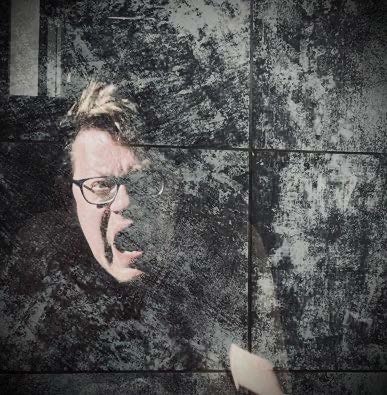
Prof. Dr. Remigijus Venckus – Portrait
Biographical and Creative Overview

Media artist and art critic Prof. Dr. Remigijus Venckus creates interdisciplinary art, curates art exhibitions, lectures at Lithuanian higher education institutions, participates in academic visiting appointments at foreign scientific and artistic institutions, and writes on contemporary art and media culture. In his creative practice, he merges experimental photography and computer graphics, as well as developing acrylic painting and collage practices. Key themes in his work include memory, time, space, individual experience, human identity, and the investigation of analogue and digital media.

Active in academia since 2004, he has organized 105 solo exhibitions and events: 11 abroad and 94 in Lithuania. He has participated in 54 international and 41 national and local art events or group exhibitions. His artworks are held in museums, gallery and institutional archives, and private collections across Lithuania, Latvia, Poland, and Germany. He is the author of numerous critical essays on art, culture, and media, and has curated 27 international and 13 national art events, festivals, and exhibitions.

Painting

Analog medium, canvas surface, color field rhythm, and conceptual inquiry.

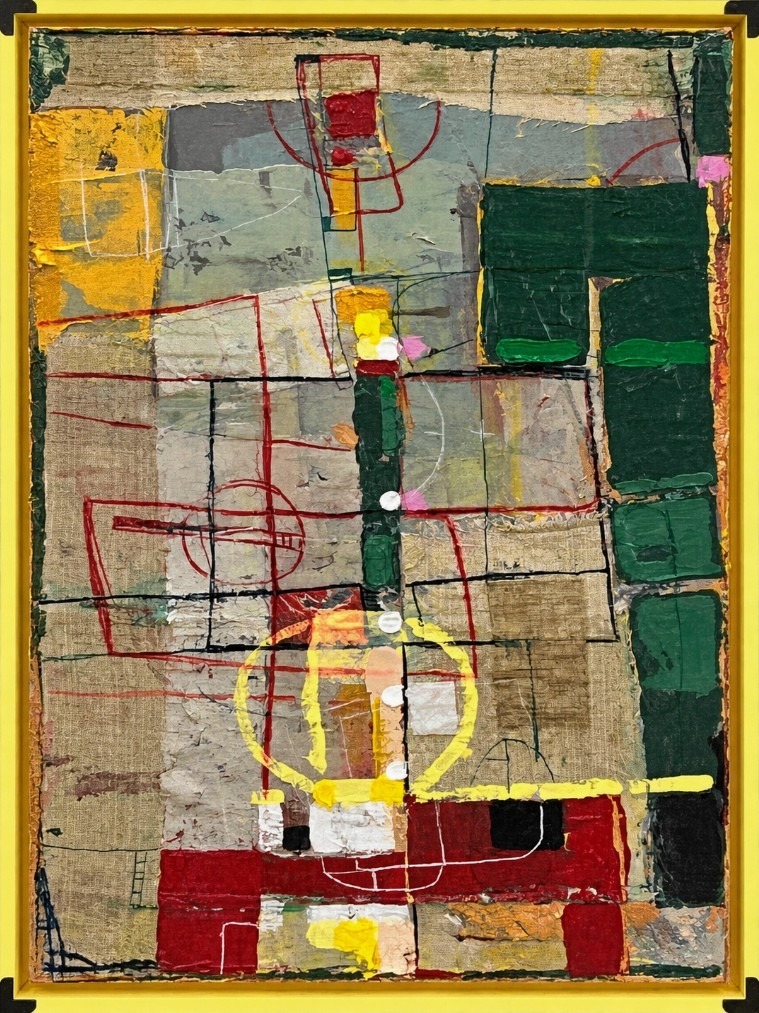
  1. Prof. Dr. Remigijus Venckus – Painting artwork, canvas surface and mixed media
    Surface
    Materiality and Color Experiment

    A New Creative Center

    Venckus' long-cherished desire to paint turned into a consistent creative practice in 2023. Having analyzed the work of other artists for many years, the art critic had to readjust to the brush, accept the hand's resistance, and allow himself to experiment. Initial apprehension was replaced by curiosity: what happens if a color resonates unexpectedly and the painting takes an unplanned turn? For Venckus, painting is a time when informational noise fades away, enabling deep inward focus. This experience carries a compelling tension: an artist seeking inner stillness creates vivid, contrasting, and sometimes visually turbulent paintings. Here, inner calm harmonizes with an unrestrained flow of colors and brushstrokes.

    Cycles
    Freedom and Chance, Painting Surface
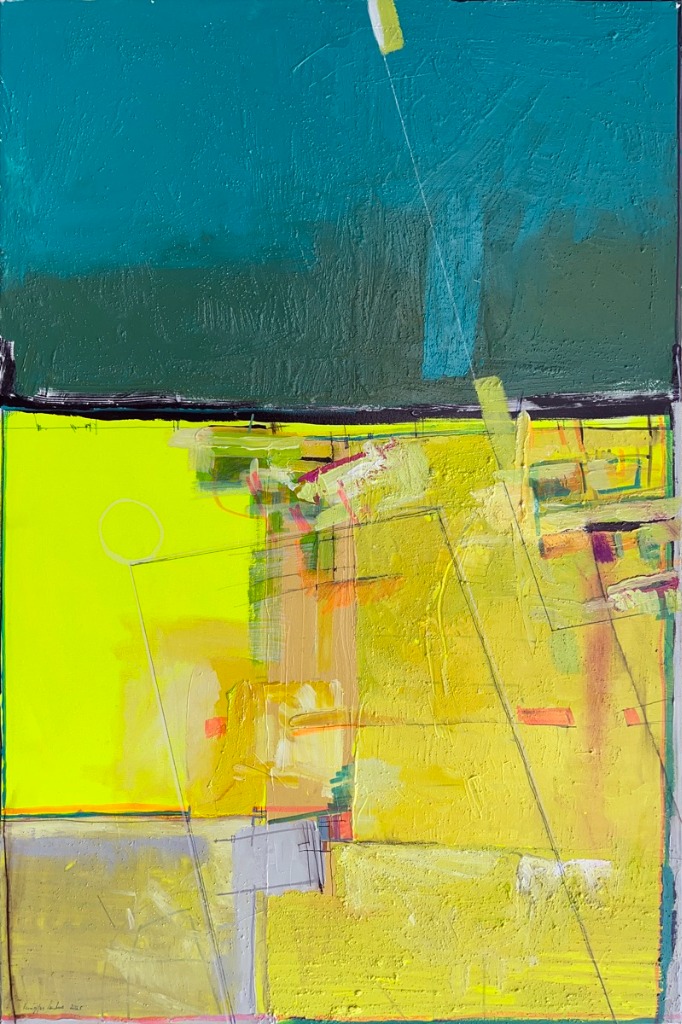
  2. Prof. Dr. Remigijus Venckus – Painting, circular color field fragment, radiant yellow field
    Color
    Color Field and Contrast

    Color Experience and Contrast

    In Venckus’ painting, the internal diversity of the color field is essential, unfolding through layers, surface unevenness, and an impression of movement. In some works, acrylic color areas are combined with traces of markers and pens. In this way, painterly gesture, graphic line, and the combination of diverse media characteristic of Venckus’ earlier oeuvre converge on the canvas.

    The focus on color and its materiality continues into a new creative phase – the artistic research project “Anatomy of Color”. Color is investigated through perception, associations, sensation, and the direct experience of painting. The concept of an ecology of thought, feeling, and experience employed by Venckus expands these inquiries into a reflection on the human relationship with oneself and the environment. Intuitive action and theoretical reflection constantly complement each other: painting provokes thought, while thought opens up new creative possibilities.

    Cycles
    Before the Storm, Green Thoughts, Anatomy of Colour

Photographic Practice

Experimental and documentary cycles: memory, corporeality, archive, and time.

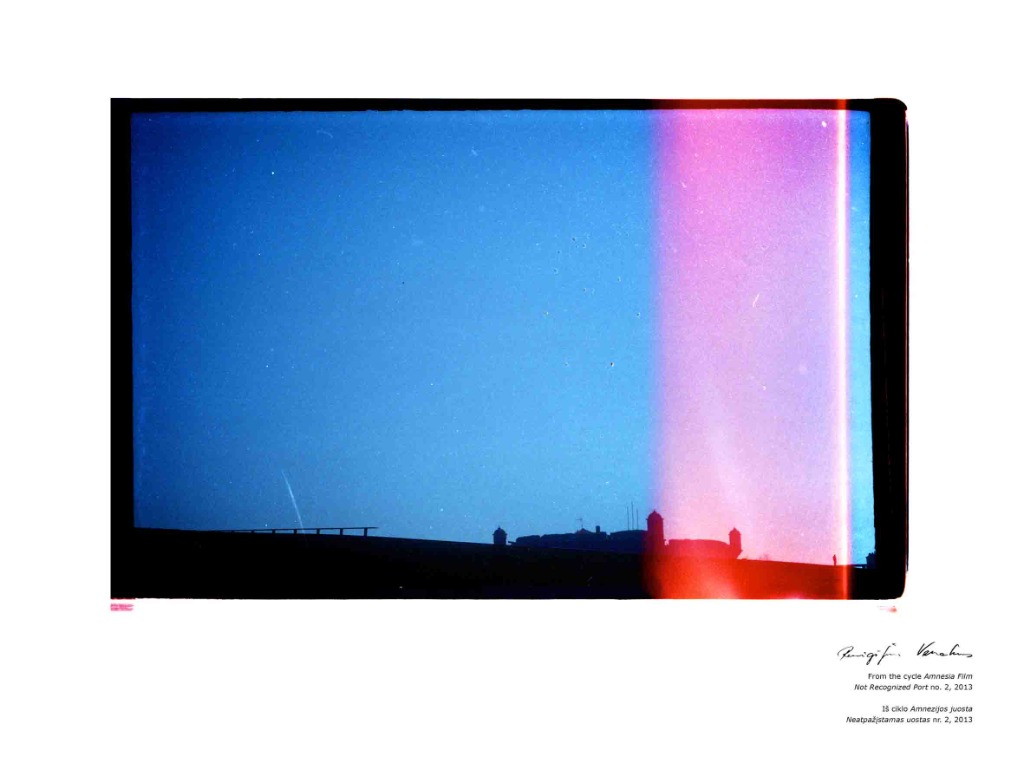
  1. Prof. Dr. Remigijus Venckus – Not Recognized Port no. 2 (Amnesia Film, 2013)
    Amnesia
    CYCLE · 2007–2020

    AMNESIA STRIP

    Photography is investigated as a surviving trace: opening the gap between what the image preserved and what the mind can recall.

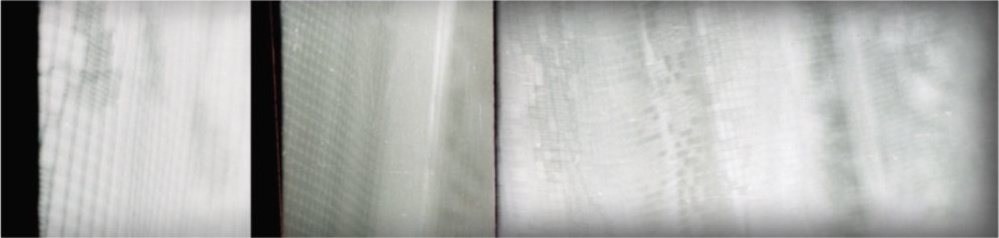
    EMPTY SCREENS
    Traces of Memory

    The Fallibility of Memory

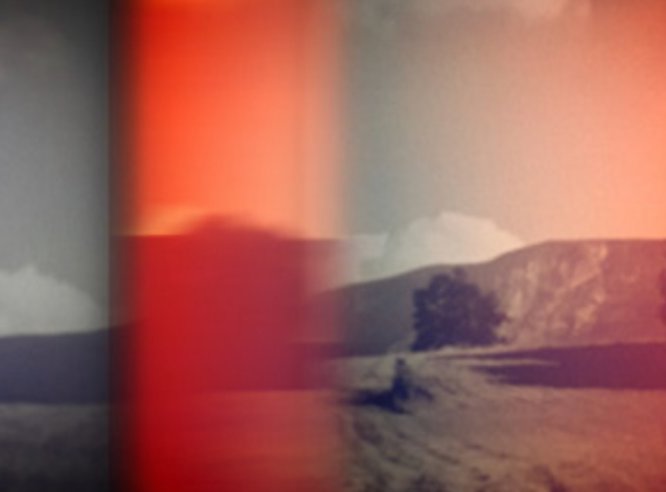
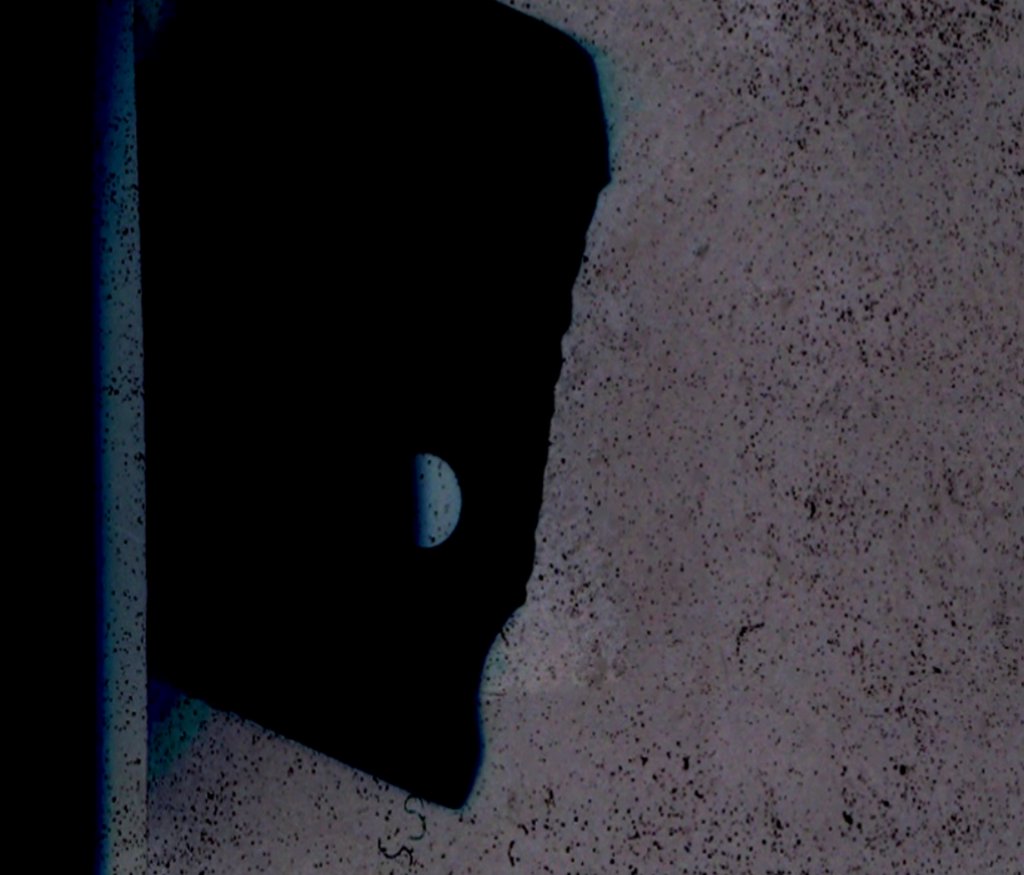
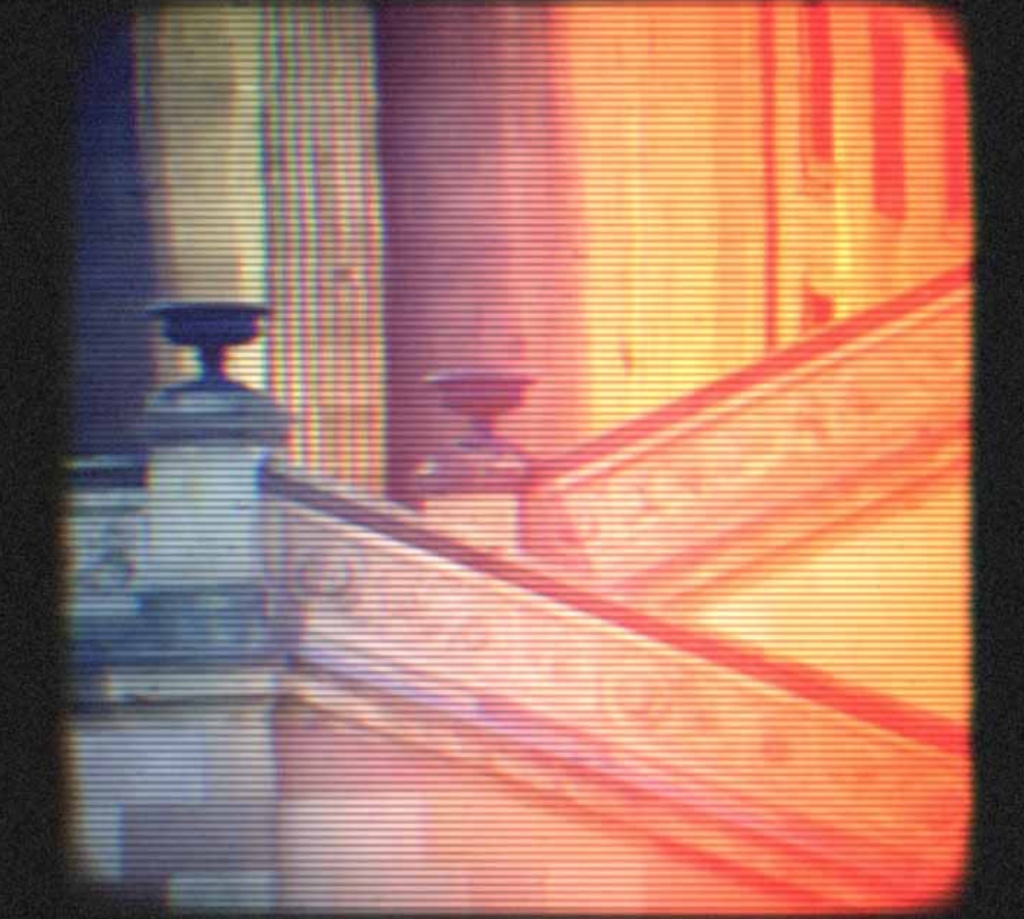
    One of the most consistent themes in Venckus’ photography is the unreliability of memory. In the cycles “Amnesia Strip”, “Amnesia Film”, and “Empty Screens”, photography is examined as an enduring trace whose meaning evolves over time. Blur, fragmentation, and barely identifiable locations expose the rift between what the image preserved and what human consciousness can recall. Old, previously discarded film strips, light leaks, and development marks become the genesis of a new artwork. As the author’s perspective shifts, former failure assumes new value, while photographic imperfections carve out space for fresh narratives.

    Cycles
    Amnesia Strip, Amnesia Film, Empty Screens
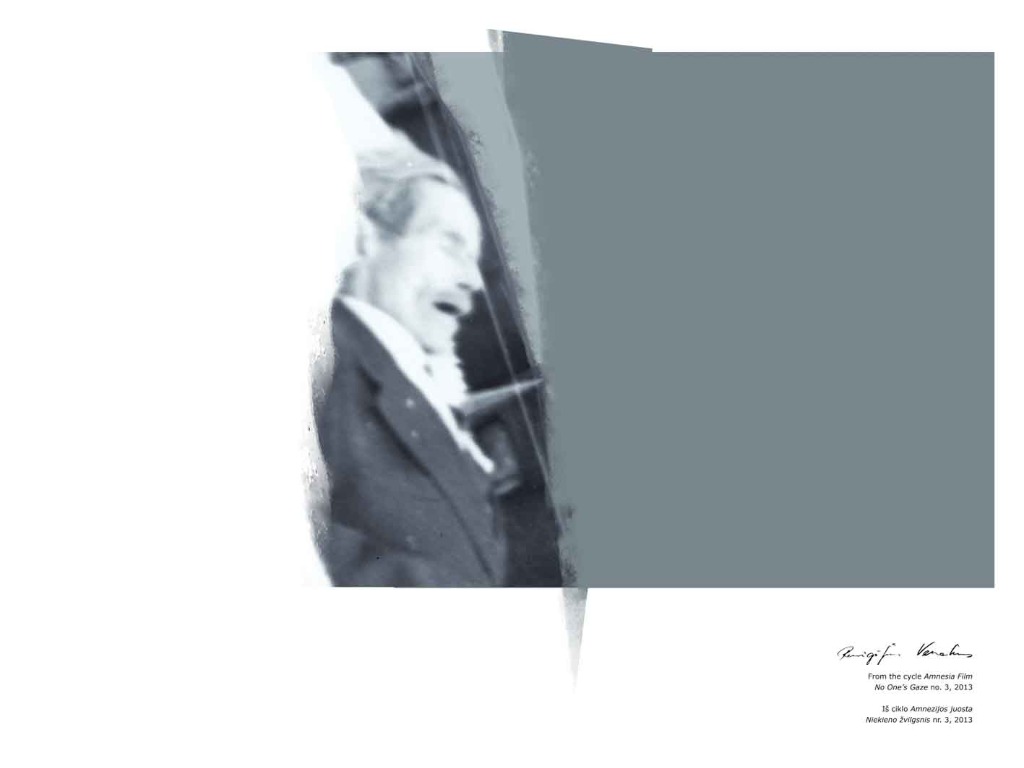
  2. Prof. Dr. Remigijus Venckus – No One’s Gaze no. 3 (Amnesia Film, 2013)
    Archive
    PROJECT · 2017

    NOBODY’S GAZE

    Photography preserves bodily semblance, yet human life remains partly inaccessible: working with archive, loss, and the unknown.

    FUNERAL ARCHIVE
    Archive & Mortality

    “Nobody's Gaze”

    In the exhibition “Nobody’s Gaze”, questions of memory intersect with mortality and the photographic archive. The works are shaped through digitizing and assembling funeral photographs featuring images of relatives alongside strangers discovered in collected albums. Photography preserves the physical appearance of the body, yet lived human experience remains partly beyond reach. Here, the survival of the image underscores the inevitability of oblivion: the face remains visible even when those who remember its story may no longer exist. In this way, scholarly inquiry into memory and the image converges with artistic practice, personal loss, and encounter with the unknown.

    Medium
    Digitized vernacular funeral photography archive
  3. Prof. Dr. Remigijus Venckus – Experimental Photography from the 'Solaris' Series (Replicas of Memory)
    Solaris
    ARTISTIC RESEARCH · 2014

    SOLARIS

    The junction of analog film and digital editing brings photography closer to graphics and abstraction: memory copies and cognition.

    LEM REFLECTION
    Self-Reflective Research

    “Solaris”: Replicas of Memory

    This horizon of inquiry is extended by the cycle “Solaris”, prompted by Stanisław Lem’s novel, in which Venckus probes human identity, memory copies, and the limits of perceiving reality. In a process framed by the author as self-reflexive artistic research, photographic film is merged with digital processing, bringing photography closer to graphics and abstraction. Creative improvisation harmonizes with deliberate exhibition design: the meaning of an individual work shifts in relation to other pieces and the gallery space. Across Venckus’ oeuvre, the trace of memory is continuously revised, reassembled, and reinterpreted.

    Inspiration
    Stanisław Lem novel, analogue-digital hybrid media
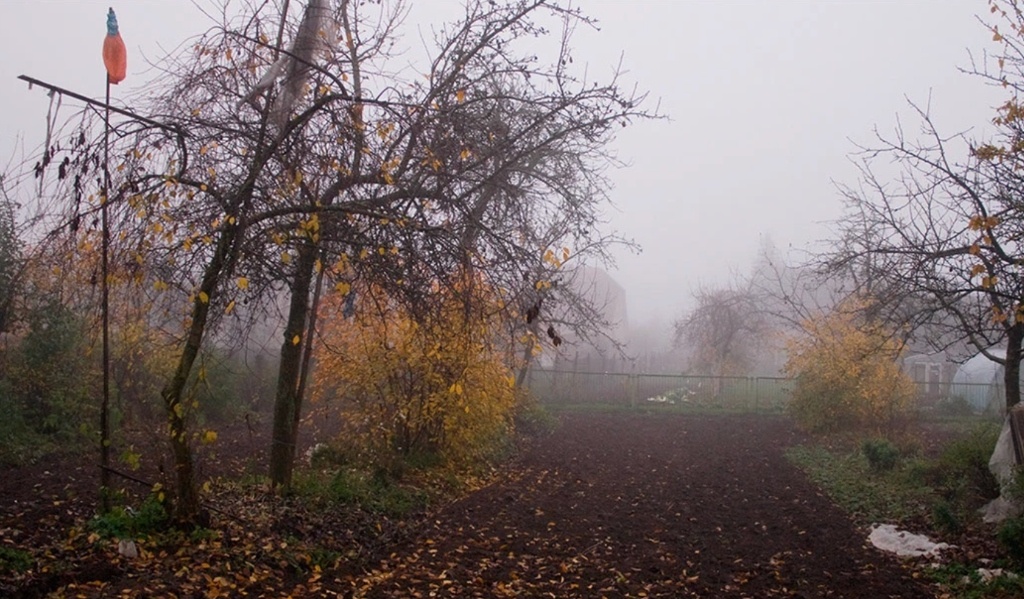
  4. Prof. Dr. Remigijus Venckus – Mist-shrouded Autumn Garden and Homestead Landscape (Cycle 'My Love – My Home')
    Lithuania
    DOCUMENTARY · 2023

    MY LOVE – MY HOME

    An everyday moment later transforms into an essential witness: fragments of one life merge with national memory.

    PERSONAL ARCHIVE
    Documentary Photography

    “My Love – My Home”

    In the project “My Love – My Home”, Venckus discloses the experience of Lithuania through family, home, landscape, and personal attachment. The concept of home encompasses people, places, and lived events from which a sense of belonging takes shape. Images of relatives and familiar environments become tokens of personal history, enabling dialogue on love for one’s homeland grounded in tangible lived experience.

    Temporal distance alters the resonance of these photographs. A mundane everyday moment, ordinary at the time of shooting, later transforms into an essential witness to a person, place, or relationship. The image preserves what changes, recedes, or survives only in memory. The personal archive thus assumes cultural weight: fragments of a single human life merge with the broader memory of family, community, and country.

    This project furthers Venckus’ engagement with the nexus between photography and memory. The documentary image is bound up with emotional connection, while observing one’s environment becomes a reflection on its intrinsic worth. Viewers find an opportunity to recognize their own experience of home in the author’s photographs – the people and places with which closeness, security, and belonging are intertwined.

    Focus
    Experience of Lithuania, family, home, and landscape
  5. “Breathing”: Mountain Grandeur and Presence in the World
    Breathing
    CYCLE · 2013–2019

    BREATHING

    Mountain majesty, alpine air, and caves: a slowed sense of time, quieted daily noise, and focus on breath.

    FRESH AIR
    Landscape & Body

    “Breathing”: Mountain Grandeur and Presence in the World

    In the cycle “Breathing”, Venckus explores the relationship between landscape, bodily experience, and memory. In images captured during journeys, natural space merges with personal feelings. The grandeur of mountains, high-altitude air, and cave environments prompt awareness of the body, its boundaries, and presence in the world. Confrontation with nature brings a slowed sense of time, silence from everyday noise, and attention to breath.

    The language of experimental photography alters and abstracts recognizable natural shapes, leaving room for intuition, associations, and memory. These works represent an attempt to visually approach elusive sensory experience—breathing and the perception of space. Photography mediates between the external world and internal human reality.

    Period
    2013–2019
    Geography
    High Tatras, Georgian mountains, cave spaces
  6. “A Sip”: Coastlines, Taste of Water, and Intimacy
    A Sip
    CYCLE · 2013–2020

    A SIP

    A sip of water and air unites vital acts: the visible image touches that which was once experienced by the body.

    WATER TASTE & MEMORY
    Water & Senses

    “A Sip”: Coastlines, Taste of Water, and Intimacy

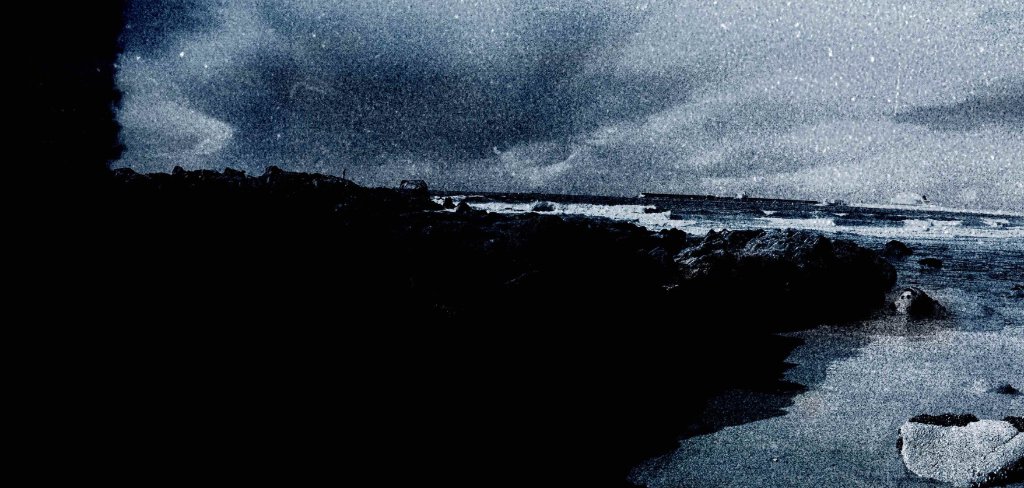
    In the cycle “A Sip”, these explorations move to coastlines. Images of seas and oceans photographed in different countries connect with the taste of water and awakened memories. A sip of well water or the salinity of the Baltic Sea first tasted in childhood become markers of personal history. The title connects sips of water and air, recalling vital, often unnoticed everyday acts. The landscape thus acquires an intimate dimension: the visible image touches what was once bodily experienced.

    Through experimental photography, natural shapes are abstracted, opening space for sensory experience—taste, salinity, and space. Photography mediates between the external world and internal reality, prompting closer self-awareness.

    Period
    2013–2020
    Geography
    Coastlines of seas and oceans, memory of taste
  7. Prof. Dr. Remigijus Venckus – Male Body Composition (Cycle "I Am the Other")
    Identity
    CYCLES · 2010–2018

    I AM THE OTHER

    The male body becomes a space where identity, intimacy, social roles, and the norms of visual culture intersect.

    KITCHEN ANTHROPOLOGY
    Body & Limits of Acceptability

    The Male Body and Visual Culture

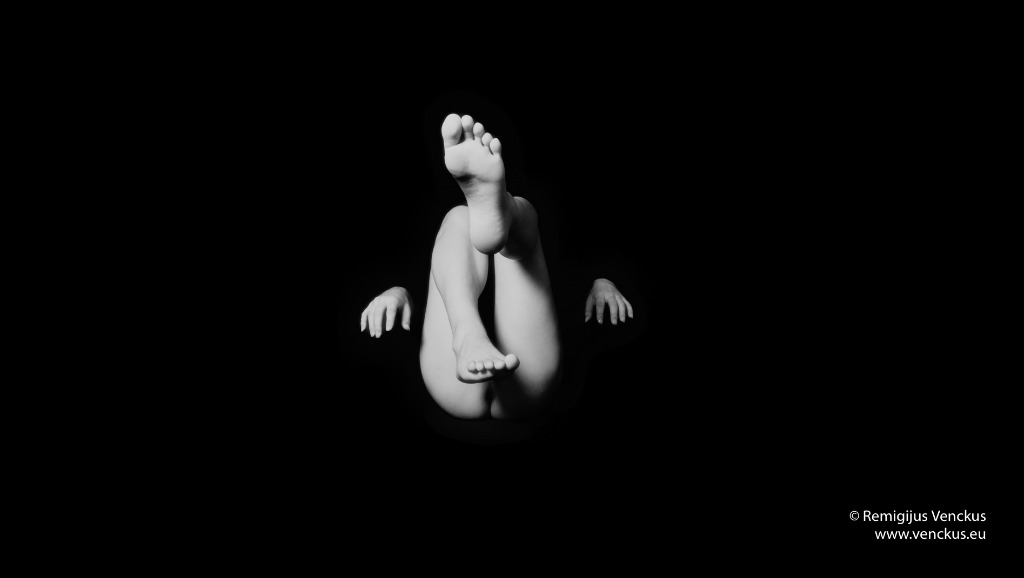
    In Venckus’ photography, the male body becomes a space where identity, intimacy, social roles, and cultural boundaries of acceptability intersect. In the cycles “From the Life of Boys”, “Conversations About Love”, “Kitchen Anthropology”, and “I Am the Other”, the body participates in staged narratives. Poses, environments, and artwork titles shape situations in which recognizable everyday motifs acquire unexpected meanings. Bodily vulnerability, closeness, and relation to the surroundings prompt inquiry into how imagery of masculinity is constructed and what behavioral and expressive patterns are expected of men.

    Crucial to these works is the spectatorship situation itself. The viewer brings their own experience, convictions, and assumptions about what may be shown in public. Consequently, encountering the photograph becomes an encounter with one’s own evaluative habits: the same image may appear intimate, uncomfortable, provocative, or perplexing. Venckus’ oeuvre can be read as an inquiry into visual culture, in which the photographed body accentuates societal norms and their underlying contradictions. The question of what we see converges with the question of why we judge the visible body in that particular way.

    Cycles
    From the Life of Boys, Conversations About Love, Kitchen Anthropology, I Am the Other

Video Art

Moving image experiments, deconstruction, and international context.

  1. Early Experimental Cinema
    Cinema
    Early Moving Image Practice

    Early Experimental Cinema

    Video art holds a formative place in Remigijus Venckus’s creative trajectory, pursued intensively between 2002 and 2013. During this prolific period, he amassed an extensive archive of experimental shorts and video sketches investigating the moving image as an elusive medium of temporality, spatial disruption, and fractured memory, defined by non-linear editing and glitch aesthetics.

    Period
    2002–2013 moving image explorations
  2. Application of Deconstruction
    Derrida
    Theoretical Reflection

    Application of Deconstruction

    These moving-image investigations were intimately interwoven with his academic scholarship. Video art served not merely as an arena for individual expression, but as an object of theoretical inquiry. In his 2014 doctoral dissertation, questions of visual representation were dissected through the post-structuralist deconstructive philosophy of Jacques Derrida, challenging naturalized image regimes.

    Academic Basis
    Vilnius Academy of Arts & Lithuanian Culture Research Institute
  3. “Baltic Appearances” & Cross-Media Dialogue
    Berlin
    Curatorial Practice

    “Baltic Appearances” & Cross-Media Dialogue

    Venckus’s video art has been exhibited across Lithuania and internationally. In 2018, the Berlin gallery 'World in a Room' hosted the two-artist exhibition 'Baltic Appearances – Baltische Erscheinung', spotlighting his video retrospective spanning 2004–2018. The insights gained from video editing remain foundational to his painterly layering and conceptual agility.

    Exhibition
    Berlin, retrospective of 2004–2018 moving image works

Academic Work

University studies, pedagogical method, and the aesthetics of emerging technologies.

Education & Doctorate

Academic Journey

Remigijus Venckus is Professor of Arts at the Department of Graphical Systems, Faculty of Fundamental Sciences, Vilnius Gediminas Technical University (VILNIUS TECH), holding a Ph.D. in the Humanities. His academic background synthesizes rigorous artistic practice and theoretical scholarship: following bachelor’s studies in fine arts and graphic design and a master’s degree in art history at Šiauliai University, he completed doctoral research at Vilnius Academy of Arts. In 2014, he defended his doctoral dissertation, 'Application of Jacques Derrida’s Deconstruction to Video Art Research', marking a focused exploration of the intersections between post-structuralist philosophy and moving image aesthetics.

Biography on 2K Platform ↗
Pedagogical Method

University Education

Across more than two decades of higher education teaching, Venckus emphasizes the critical capacity to interrogate the fundamental reasons behind creative decisions. In his lectures and essays, university studies are deeply tied to analytical thinking, experimental boldness, and autonomous intellectual curiosity. Theory acquires true meaning when it helps deconstruct a specific artwork or process. Experiential practice must likewise be subjected to rigorous reflection: in seminar discussions, he candidly analyzes failed solutions, structural missteps, and case studies drawn from his own artistic and theoretical practice—a pedagogical method characterized as continuous interrogation of experience through thought, and of thought through practice.

Interview on Higher Education ↗
Aesthetics of Technology

Multimedia and Academic Career

Venckus has been engaged in academic and pedagogical work since 2004, accumulating over 20 years of university teaching experience. He has taught at Lithuania's leading universities and academies: Vilnius Gediminas Technical University (VILNIUS TECH, where he is a professor in the Department of Graphical Systems and formerly headed the Department of Entertainment Industries), Vytautas Magnus University (VMU), Vilnius Academy of Arts (VDA), Vilnius University (VU), Šiauliai University (ŠU), and Kazimieras Simonavičius University (KSU). The disciplines he has taught unite digital technologies, visual arts, and media theory. This extensive experience connects technical mastery with critical inquiry and technological aesthetics.

Voruta: On Multimedia ↗

Art Criticism & Curating

Exhibition reviews, creative interpretations, curatorial projects, and public dialogue.

Critical Writing

Essays, Reviews & Interpretations

Venckus’s art criticism spans painting, photography, video art, and interdisciplinary practices. In reviews, essays, and interviews, he investigates how artistic form, chosen media, and cultural context participate in the generation of meaning. His writing focuses on the internal logic of creative choices, visual structure, tensions in artistic expression, and interpretive possibilities.

He anchors critical writing in his own studio experience and theoretical background. Acknowledging the role of a personal perspective in assessing art, Venckus underscores the primacy of reasoned argumentation and the legitimacy of differing viewpoints. Within his practice, art criticism functions as a mode of inquiry—expanding understanding and fostering autonomous thinking in the viewer.

Art Criticism Publications ↗
Exhibition Curating

Concepts & International Projects

In his curatorial practice, Venckus develops exhibition concepts that uncover interconnections among artworks and their resonance with contemporary cultural issues. The curatorial premise, artwork selection, and spatial staging establish an interpretive trajectory, accentuating thematic and formal correspondences. Curating here operates as a direct spatial extension of critical inquiry.

His portfolio encompasses gallery exhibitions, art initiatives, and experimental film screenings. Prominent international engagements include curating the exhibition “Blurred Identity: Between Recognizable Image and Abstraction” at the 7th Zagreb Biennial of Painting (2023). He also curated the culmination exhibition of the international CreArt 3.0 residency at Kaunas Drobė Gallery, showcasing artistic dialogues across diverse cultural contexts.

Zagreb Biennial / Curating ↗
Public Dialogue

Discussions & the “2K” Program

Direct dialogue with audiences is central to Venckus’s ethos. In public lectures, exhibition presentations, and moderated discussions, he explores creative processes, artistic motivations, and the horizons of art appreciation. He conceives art criticism as a platform for reasoned debate, knowledge sharing, and cultivating independent critical judgment.

This trajectory is embodied in the “2K” conversation program, conceived and moderated by Venckus. Through probing dialogues with creators, he centers on artistic lived experience, methodologies, pivotal choices, and constructive doubts, transforming public discourse into an integral dimension of his critical and curatorial work.

“2K” Program ↗

Contact

Direct communication, exhibition documentation, portfolios, and web resources.